







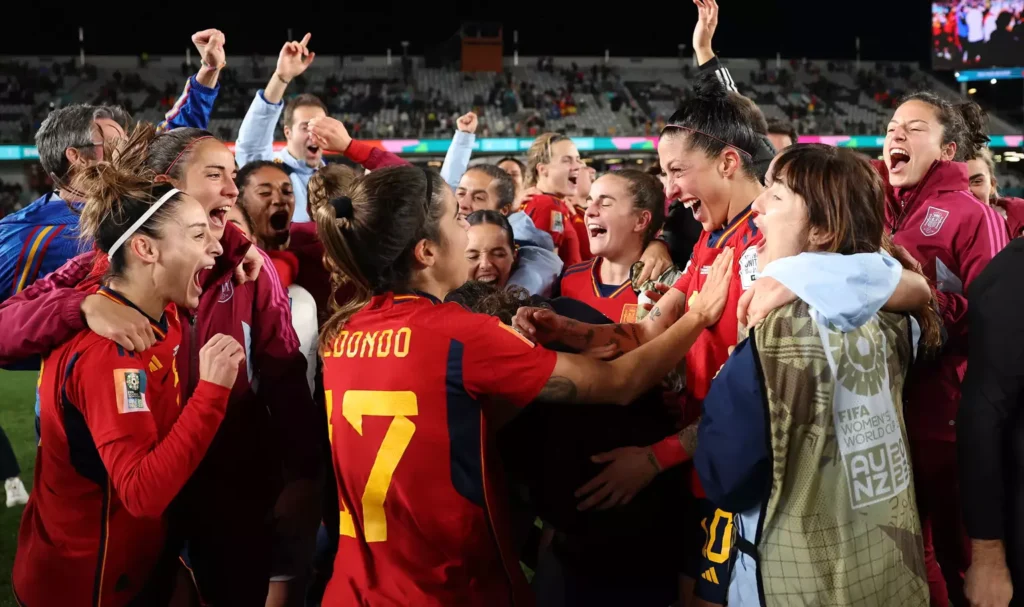
We chart Spain’s short history of appearing at the FIFA Women’s World Cup and what has led La Roja to ultimate glory in just eight years since making their debut in the competition.
When Spain made their debut appearance at the FIFA Women’s World Cup™ eight years ago, they did so with much still to achieve. La Roja had lots of talented players to call on, but many of them were scattered around the world, in locations that had more to offer them than the domestic women’s football scene.
Expectations were relatively low when they stepped out at Canada 2015. The main idea was to play a possession game, the style that had been drummed into them, albeit in a set-up that was still largely amateur at that stage.
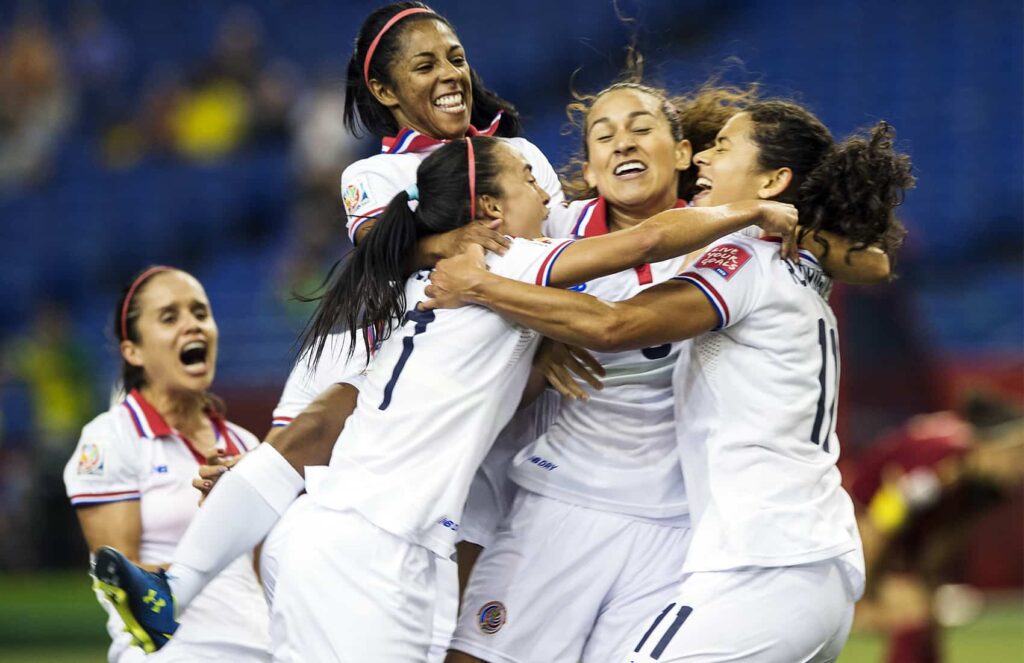
Sonia Bermudez, Erika Vazquez, Natalia Pablos and Ainhoa Tirapu were among the leaders of a side that went to Canada with something of an inferiority complex and a fear of the women’s game’s traditional powerhouses.
That first brush with the elite gave them a taste of what life was really like at the top, and out of that experience emerged a group of young players with fewer inhibitions than their predecessors, the likes of Alexia Putellas, Jenni Hermoso and Irene Paredes. Sure, they wanted to play, but they also wanted to win.
“Up to then, the players who went up to the national team were a little fearful and shy, out of respect to the veterans in the dressing room,” said Natalia Pablos, a member of a side that also contained one of her heroes, Veronica Boquete. “We could tell that it was a generation that had something special about them, who maintained that level of respect but who had a lot to say.”
Though Spain went out in the group phase after losing to Korea Republic and Brazil and drawing to Costa Rica, they had laid the foundations for their continued growth.
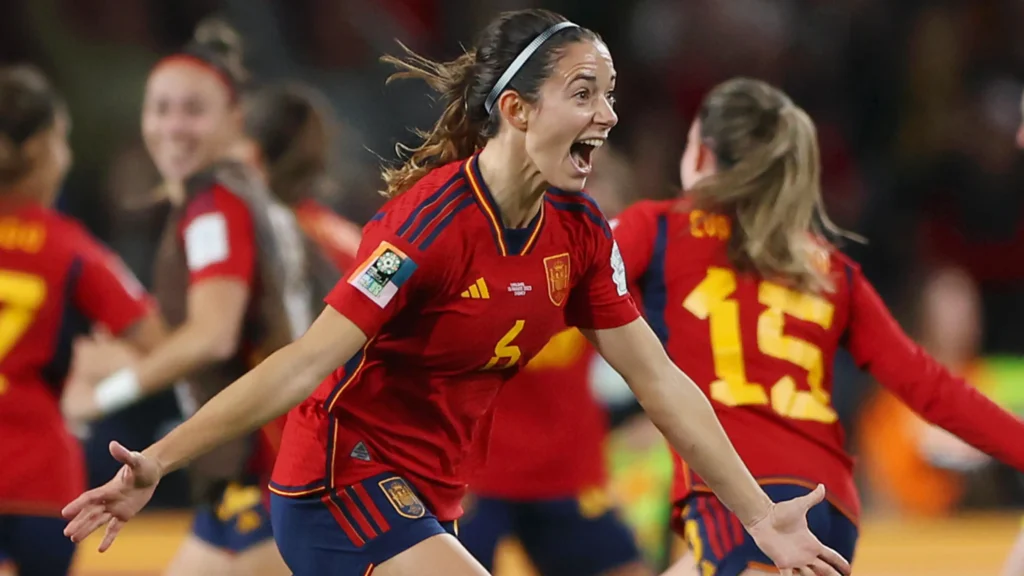
France 2019, Bonmati steps out
By the time France 2019 came around, the generation that had kicked down the door were in charge of the national team and embraced the youngsters who had been in their position only a few years earlier. They welcomed the so-called Class of ‘98, the year in which these up-and-coming talents were born.
Standing out among them all was a very ambitious young player by the name of Aitana Bonmati, who was determined to show her worth and become one of the greats of the international game.
The “veterans” in that France 2019 squad were no older than 28. Talented and competitive, La Roja’s blend of experience and youth got them to the last 16, where they gave eventual champions USA a stern test, with Hermoso excelling in particular.
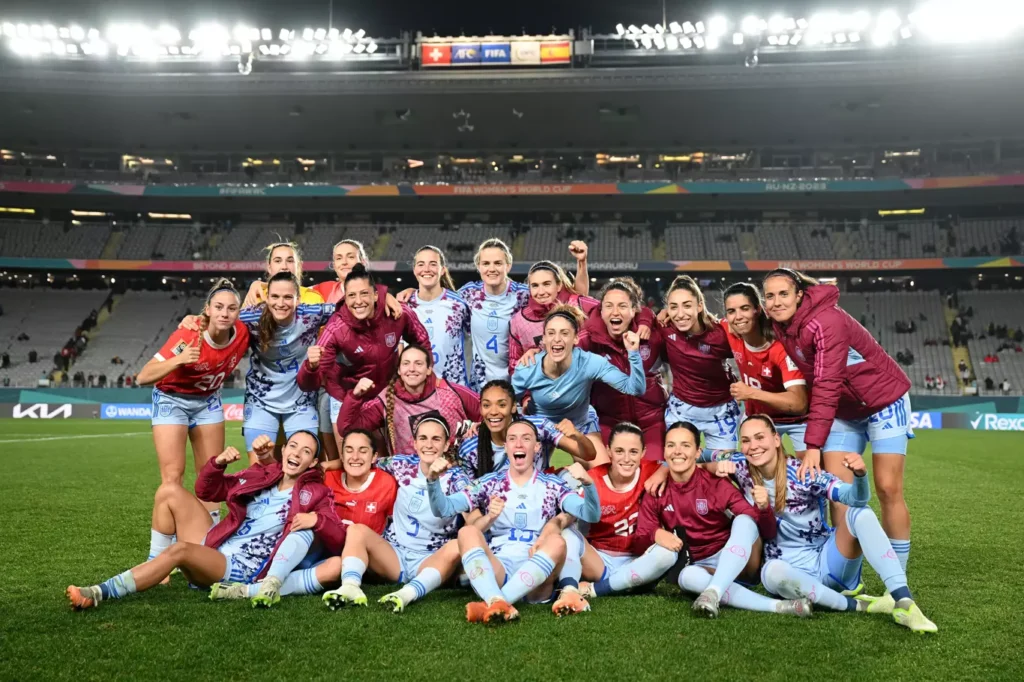
Though the Spanish came up short on that occasion, they knew they were onto something.
“We realised then that we could compete against anyone. It was a turning point for us,” recalled Marta Corredera.
“I think we’d have won that USA game if we’d had more experience of knockout matches, because all that we lacked was a little game management, which is something that you learn over the years,” commented Vicky Losada.
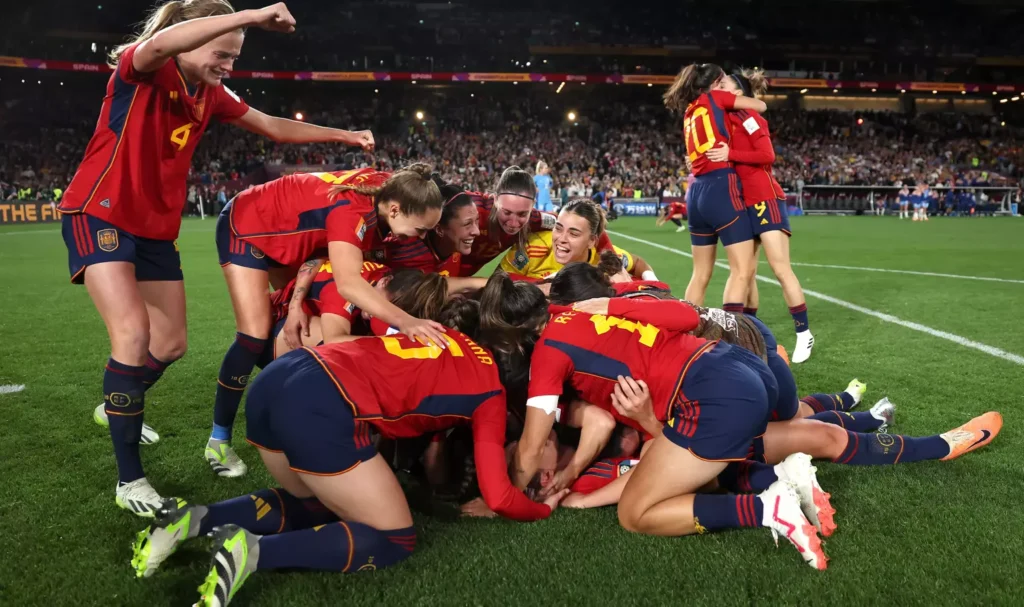
The end result: glory Down Under
The Spain that stepped out at Australia & New Zealand 2023 was the product of all the experiences that have led them to where they are now. On a journey littered with obstacles, they learned lessons and added qualities such as level-headedness to their innate talent.
After coasting to emphatic wins over Costa Rica and Zambia, they recovered from a heavy defeat to Japan to cruise past Switzerland in the last 16, a match in which Bonmati excelled. Salma Paralluelo and Olga Carmona then proved the matchwinners in the respective 2-1 defeats of the Netherlands and Sweden that took them into the final against England, their date with destiny.
Source: FIFA.com
