








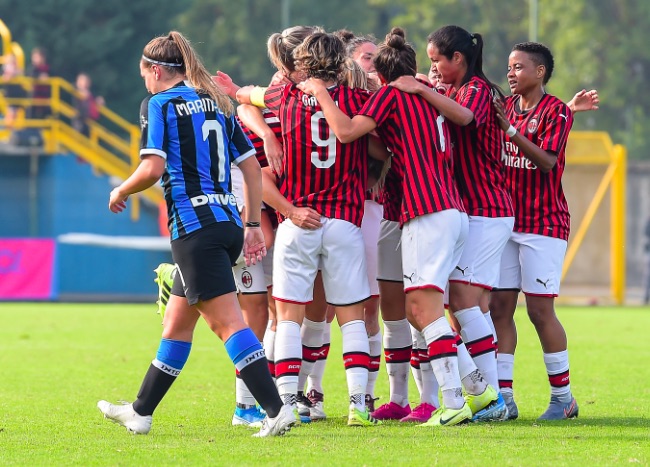
Banyana Banyana and AC Milan midfielder Refiloe Jane will turn into a professional footballer next season.
This comes after Italy’s Football Federation (FIGC) announced that the women’s Serie A (Serie A Femminile) will become professional as of July this year – in time for the start of the 2022/2023 season.
This will put the league on par with the likes of the English Women’s Soccer League (WSL) and Spanish Primera Division in having an entirely professional division.
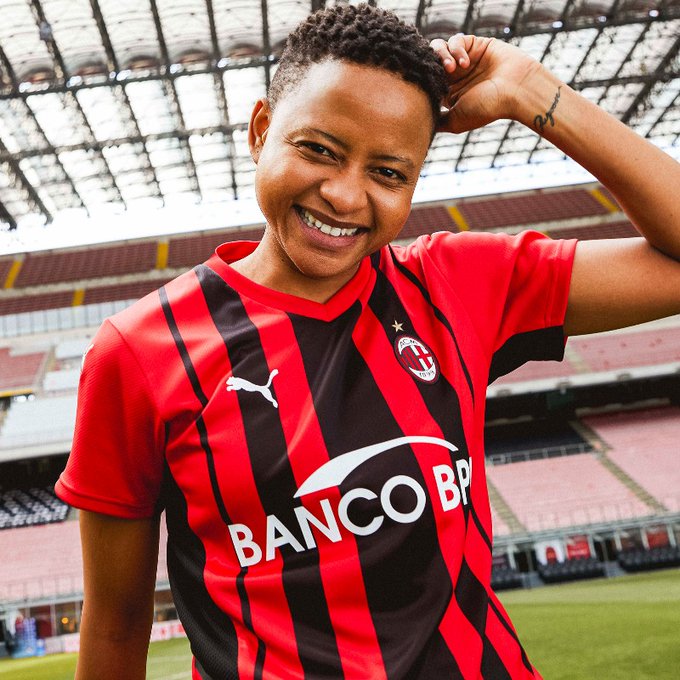
With only five games remaining to the end of the season, Jane’s Milan is in third place on the table with 43 points – 10 behind log leaders Juventus, and five adrift of Roma in second position.
Juventus seem on course to claim their fifth successive Scudetto.
FIGC said amendments have already been made to its regulations for the move to go ahead.
“Today is a big day. We have brought to life and given the definitive legal base for the transfer to professional soccer as of 1 July. We are the first federation in Italy to put this change into effect,” said FIGC president Gabriele Gravina.
FIGC started running Italy’s elite women’s division from the 2018/19 season, while the reforms to go professional started almost two years ago.
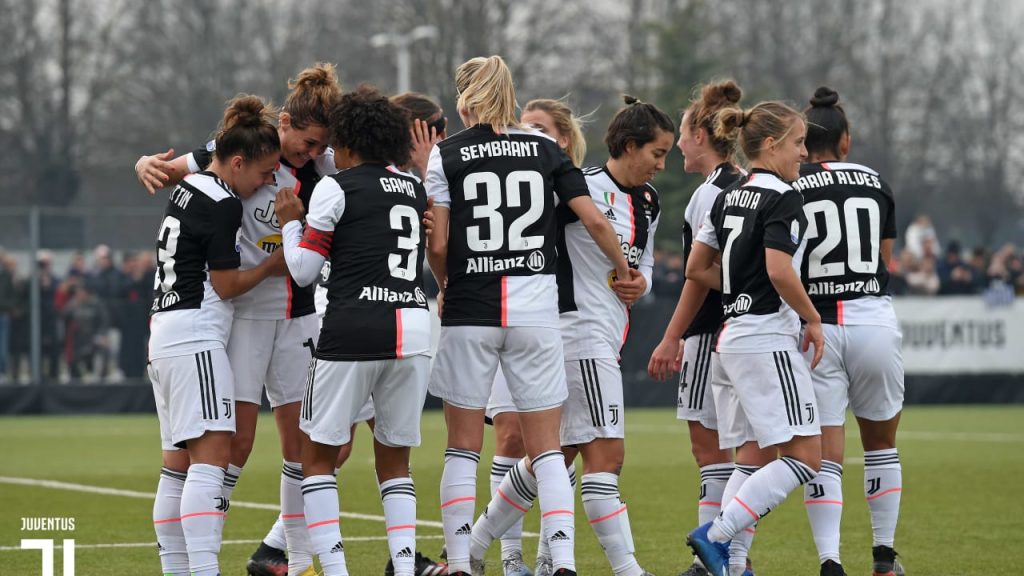
“Today is a good day for Italian soccer. Since the birth of the Federcalcio back in 1898, never has a woman had access to professionalism. But today, with an announcement like this, we know that women footballers will finally be recognised as professionals, just as men can be. The news is a good thing for Italian football and for women footballers,” said Luisa Rizzitelli, president of Assist – the Italian National Association of female athletes.
The women’s Serie A was formed in 1968, and for the first two decades players were only refunded travel expenses.
The first top male club to establish an official women’s side was Fiorentina in 2015 after a requirement for all Serie A men’s clubs to have a women’s team.
“The change will give women’s football ‘the opportunity for growth from unexplored borders,” added Sara Gama, captain of Juventus and Italy.
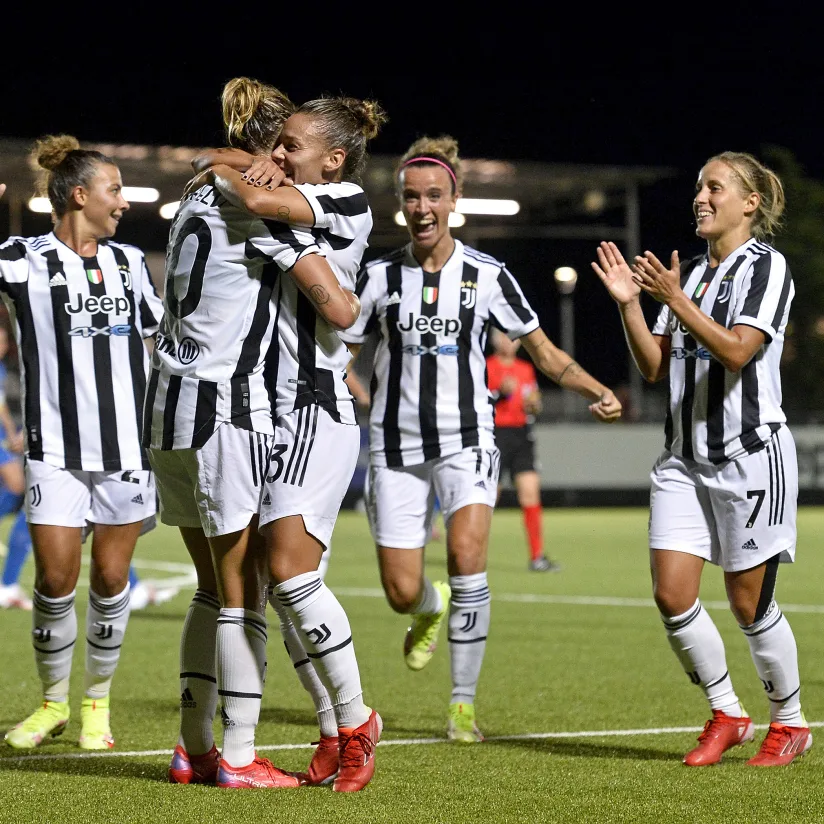
“Introducing the topic of the development of Italian women’s football, President Gravina proposed the launch of a gradual project aimed at the recognition of professionalism from the 2022/23 season, upon which the Board unanimously agreed. This prospect, in fact, was considered the best way to formalise an already urgent and much-needed step regarding the issue of equality, while also ensuring an adequate period during which to prepare the system and to wait for the implementation of decrees on this issue,” read a statement from the Italian Football Federation website.
The 2020/21 Serie A Femminile season will begin on August 22.
Changes to the League Format:
- Currently, there are 12 teams in Serie A Femminile
- Every team plays each other home and away, with the top team winning the title and qualifying for the UEFA Women’s Champions League, the second team also qualifying for the UWCL, and the bottom three teams being related to Serie B.
- With three teams going down this season and only one being promoted from Serie B, there will only be 10 teams in Serie A for the 2022/23 season
- Those teams will play each other home and away (18 games each), but then two mini-leagues will be formed
- The top five will play each other home and away again, (eight games each) with the team finishing top being crowned champions
- They will start this mini-league with the points total that they amassed in the regular season.
This is a system that has been used in the men’s and women’s divisions in European countries such as Belgium and Austria.
The format will stop teams from coasting out at the end of their season if they can’t get any higher or lower.
With the new system, they will need as many points as possible for the mini-league to protect themselves, so all 18 games in the regular season will remain competitive.
And this means as the players improve, the league also improves – giving the entity a perfect opportunity to start attracting sponsorship.
By Matlhomola Morake (additional reporting by forzaitalianfootbal.com)
