







CAF and FIFA Technical Expert, Shilene Booysen, believes that the Sasol-sponsored Banyana Banyana have a good chance of doing well in the upcoming CAF Women’s Africa Cup of Nations (WAFCON 2026) following the draw consulted recently. But she has warned that matches are not won on paper.
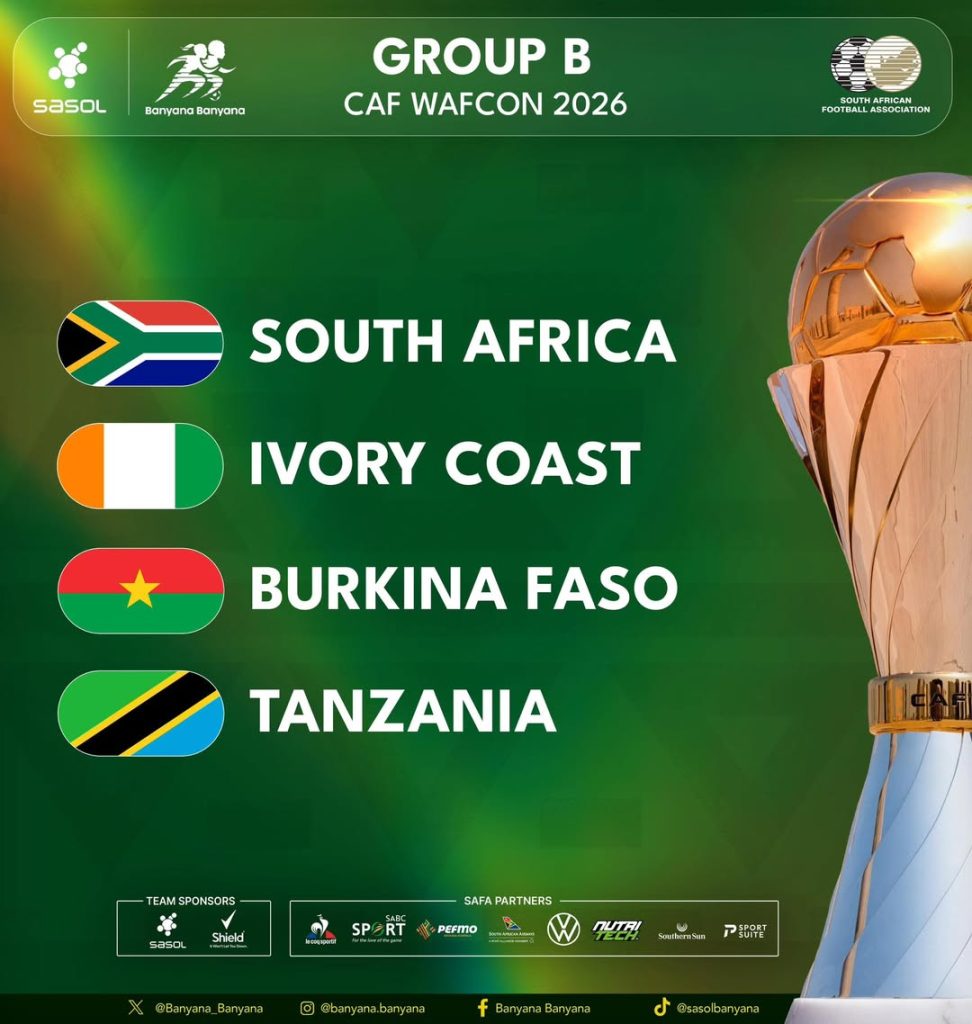
South Africa has been drawn in Group B against Burkina Faso, Tanzania and Ivory Coast. Booysen says while draw may look easy, thorough preparation will be key.
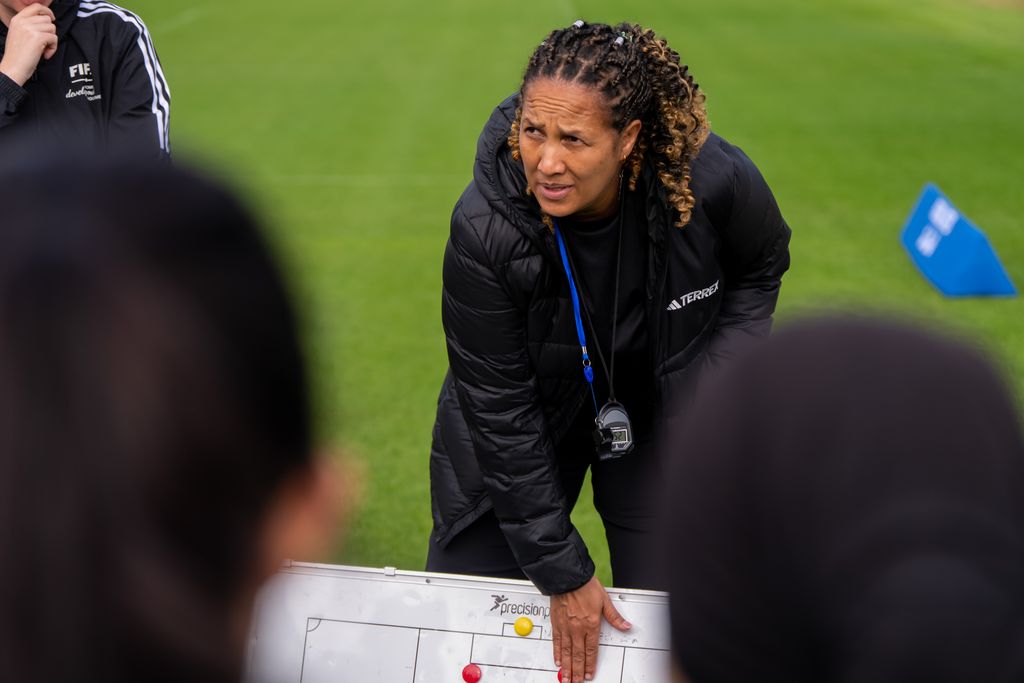
“On paper, this group doesn’t include some of the traditional giants of African women’s football, and that’s an important context. It gives you reason to be optimistic about South Africa’s chances, but WAFCON matches are intense, and teams don’t play according to rankings on paper. So for South Africa, good preparation, the right mindset, and consistency will be absolutely crucial,” said Booysen who recently returned from the UK where she was working with FIFA as a Coach Mentor alongside Banyana Banyana coach Desiree Ellis.

The 2022 African Champions go into camp on Friday (13 February 2026) and will feature in the COSAFA Women’s Championship starting from 18 February, scheduled to end on 1 March in Polokwane.
Soon thereafter the squad will head to Morocco to participate in the WAFCON 2026 tournament against 15 other nations. This will be the first time the elite women’s continental football showpiece will feature a total of 16 countries – increased by four from 12 in the last edition.
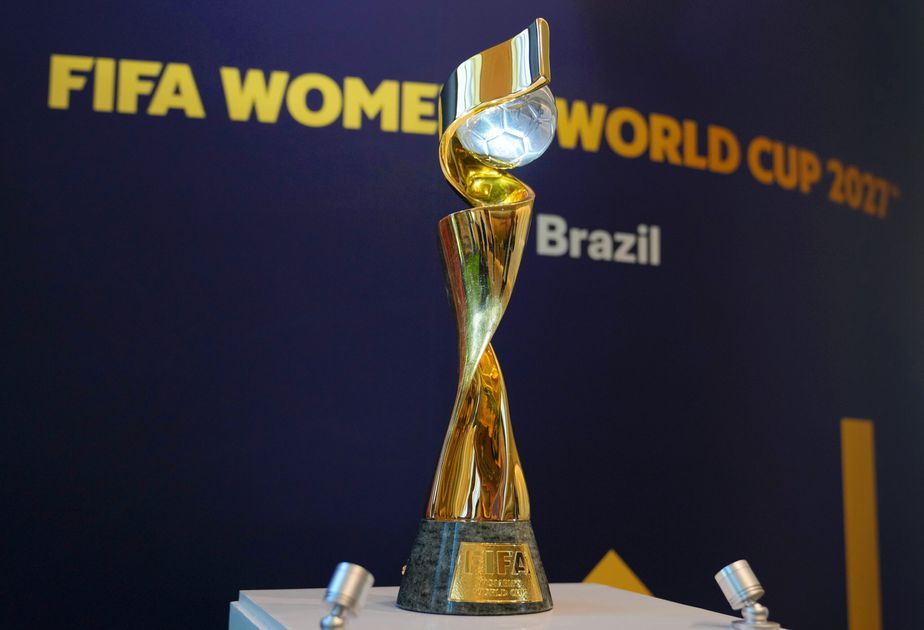
Booysen believes there is no room for error and the battle for the top four will more intense – the last quartet standing will book their tickets to the 2027 FIFA Women’s World Cup.
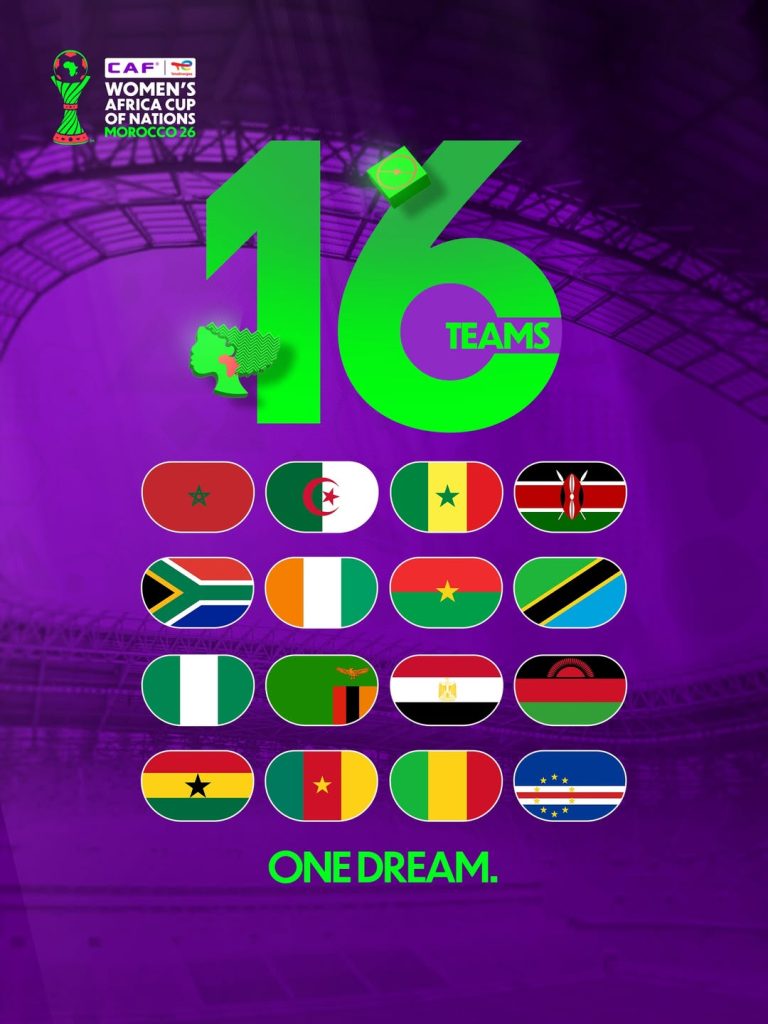
“With 16 teams now in the tournament, qualifying for the World Cup is going to be more competitive than ever. Realistically, the key moment is the quarter-final, that’s where your World Cup journey is decided. The margins will be very small. You need consistency in the group, strong squad depth, and the ability to perform under pressure in knockout football,” she said.

Dr Desiree Ellis’ charges will be hoping to make it three tournaments in a row for South Africa at the World Cup following their appearance at the France 2019 and Australasia 2023 tournaments.
CentreCircle.online spoke to Booysen, a former Banyana Banyana Performance Analyst, ex-Head Coach of both the South Sudan Senior Women’s National Team and Wadi Degla FC in the Egyptians Women’s Premier League.
We recently saw the WAFCON 2026 draw, your thoughts on the South Africa’s group?
On paper, this group doesn’t include some of the traditional giants of African women’s football, and that’s an important context. It gives you reason to be optimistic about South Africa’s chances. If you look at the experience gap, especially in terms of WAFCON exposure, Banyana Banyana should be strong favourites to finish in the top two and progress.That experience works in our favour, and while it won’t be easy, it allows the team to focus their preparation on winning the group and building momentum for the later rounds. That’s important, because it creates a psychological advantage becuase you’re now playing to dominate and not just to survive. But at the same time I have to say, nothing is guaranteed. We’ve seen many times in Africa that even so-called ‘favourable’ groups can be very tricky. WAFCON matches are intense, and teams don’t play according to rankings on paper. So for South Africa, good preparation, the right mindset, and consistency will be absolutely crucial.
Having said that, what do you make of the draw in general, taking into consideration that it is World Cup year?
Overall, I think the WAFCON 2026 draw really reflects how much women’s football has grown in Africa. We now have four distinct groups, each with a mixture of established powers and exciting underdogs, which makes the competition deeper and more balanced than ever. There are no easy groups anymore, and with the groups being tighter, I think we’re going to see more surprises. What also raises the level is that WAFCON 2026 is not just about winning the continental title but it’s part of the qualification pathway to the 2027 FIFA Women’s World Cup. That puts real pressure on every single match. Every game matters. That pressure brings challenges, but it also creates opportunity. My hope is that it encourages Member Associations to increase their preparation, invest more resources, and give their teams the best possible support to compete and qualify. Some groups are tougher on paper, but what stands out for me is that no team can rely on reputation anymore. You have to be consistent, tactically disciplined, and mentally strong from the first match. The draw has created exciting match-ups and strong storylines, which is great for the visibility of the women’s game. At the same time, it places a big responsibility on teams to prepare properly, manage their squads well, and peak at the right time. So for me, this sets up a very competitive tournament that will test not only quality, but also character, preparation, and leadership. It’s gonna be really interesting and I am looking forward to it.
For the first time in the history of WAFCON, 16 nations will participate – how difficult will it be to secure World Cup spots
With 16 teams now in the tournament, qualifying for the World Cup is going to be more competitive than ever. On paper, Africa has four direct spots, which means you have to reach the semi-finals to qualify automatically. So realistically, the key moment is the quarter-final, that’s where your World Cup journey is decided. First, you have to come through a tough group stage and finish in the top two. Then, in the quarter-finals, it’s one high-pressure match where everything is on the line. One mistake, one bad day, and you’re suddenly in the play-offs instead of qualifying directly. So yes, I feel it’s achievable, especially for teams like South Africa and Nigeria with experience and quality, but it’s not going to be easy. The margins will be very small. You need consistency in the group, strong squad depth, and the ability to perform under pressure in knockout football.
The positive is that the expanded tournament gives more competitive matches and better preparation. But it also means you can’t afford to be average at any stage. To reach the World Cup, you have to be mentally strong, tactically disciplined, and ready to peak at the right time.

Your thoughts on Malawi and Cape Verde – the two debutants…
For both Malawi and Cape Verde, just qualifying for their first Women’s Africa Cup of Nations is a huge milestone for football in their countries. You can see the progress they’ve made on and off the pitch, and that’s something to be celebrated in itself. Coming into this tournament as debutants, they’re going to be hungry, fearless, and determined to make their mark. From a performance perspective, they’re likely to be competitive and disciplined as they have players that play in the Europe and the rest of the world (most notably the Chawinga sisters for Malawi). We’ve seen in recent years that debut teams often bring intensity and organisation because they have nothing to lose and that can cause problems for more established sides if they’re not prepared. The biggest challenge for them will be maintaining that level across 90 minutes and handling the physical and tactical demands of WAFCON football so I expect Malawi and Cape Verde to compete hard, to keep learning, and potentially surprise a few people. Their presence enriches the tournament and shows the growth of the women’s game across the continent.
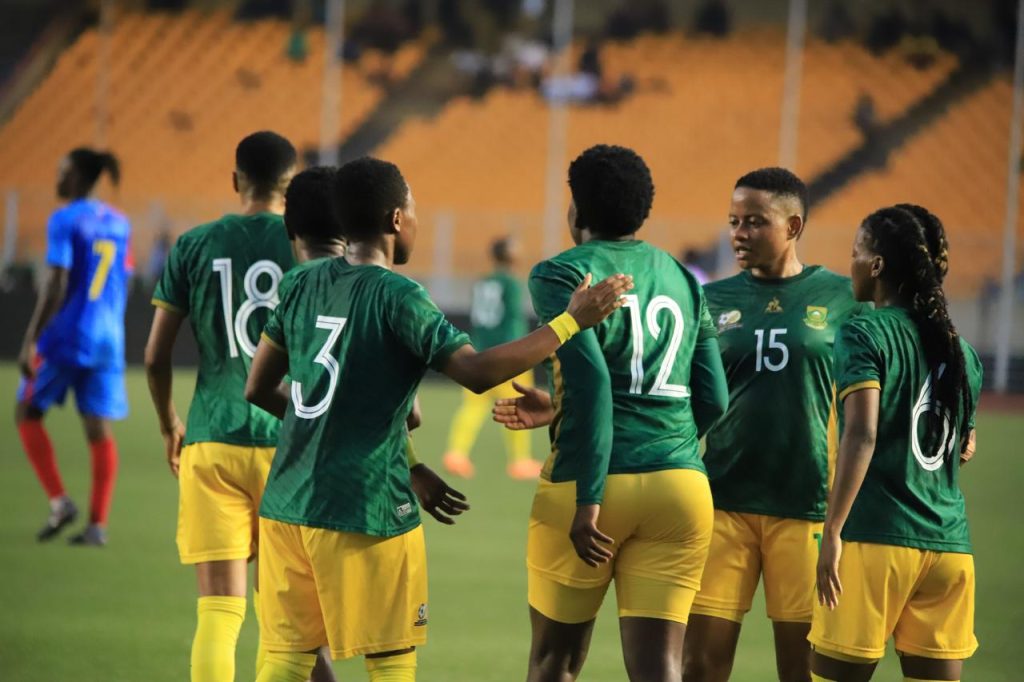
South Africa will face Malawi, Lesotho and Angola in Group A at the COSAFA Women’s Championship.
Banyana Banyana will kick off their campaign against Malawi (Wednesday, 18 February), followed by Angola (Saturday, 21 February) and will conclude the round robin phase with a clash against Lesotho (Tuesday, 24 February).
The last four standing will compete on Friday, 27 February while the final will take place on Sunday, 1 March.
By Matlhomola Morake
